God and the First Families: Parenting, Trauma, and Healing in Genesis
Reviewed by Yehudit Singer-Freud · Book by Stephen Spector

Review
God and the First Families: Parenting, Trauma, and Healing in Genesis
Author
Stephen Spector
 Yehudit Singer-Freud
As someone with a deep curiosity about families and models of relationships, I am frequently drawn to works that engage classical texts with relatable life scenarios. In God and the First Families: Parenting, Trauma, and Healing in the Book of Genesis, Stephen Spector bridges biblical exegesis with modern psychological research. As a seasoned professor emeritus of English at Stony Brook University, Spector achieves this synergy by reading Genesis not merely as a foundational theological text, but as a case study in family dynamics, intergenerational trauma, and emotional resilience. My curiosity was certainly piqued.
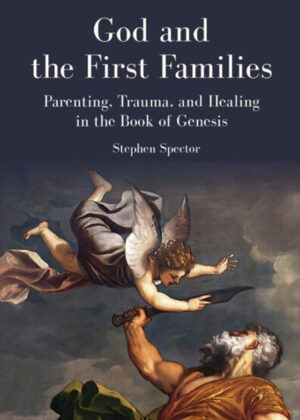
At the heart of Spector's inquiry is a unique and intriguing comparative framework: mapping modern parenting modalities onto God's own evolution as a “divine parent”. Spector traces how God initially operates through an authoritarian style in the early chapters of Genesis—demanding total submission and responding to human failing with expulsion from the Garden of Eden and catastrophic judgment. Yet, as the narrative progresses, divine engagement shifts toward benevolence, only to revert to authoritarian intensity during the harrowing trial of the Akedah—the binding of Isaac. Stunningly, Spector argues that the trauma of Mount Moriah serves as a catalyst for a divine evolution toward what modern developmental psychology identifies as “authoritative” parenting: an approach centered on moral guidance, empathy, and nurturing character growth. This shift carries a profound implication: if even the divine parent adapts methods to accommodate human vulnerability, then human parents and families possess an innate capacity to outgrow rigid, inherited patterns of conflict.
Where Spector's literary sensitivity shines brightest is in his contribution to trauma studies. Genesis is a canon steeped in domestic ruptures—parental favoritism, revenge, sibling envy, and betrayal. Rather than flattening these biblical figures into flat moral allegories, Spector approaches characters like Hagar, Isaac, Leah, Jacob, and Joseph as living subjects bearing the psychological scars of emotional pain. He illustrates how trauma reshapes narrative memory and relational trust, while emphasizing that Genesis remains, above all, a story of human survival. In Spector's analysis, resilience is forged through love, relational healing, and the slow cultivation of emotional maturity.
For contemporary families looking to heal in an increasingly fragmented world, Spector offers the patriarchs and matriarchs as realistic, flawed archetypes rather than impossibly perfect heroes. In analyzing the fraught reunions between Esau and Jacob or Joseph and his brothers, Spector reveals that biblical reconciliation is neither clean nor effortless. It demands emotional vulnerability, accountability, and the painstaking work of earning forgiveness after deep injury. Looking to these stories provides modern readers with a therapeutic model: proof that broken families can re-establish trust without denying the reality of past wounds.
Ultimately, God and the First Families stands out as a vital contribution to both Jewish studies and trauma literature. Spector demonstrates that modern clinical insights into trauma resilience and childrearing actually mirror and confirm our oldest sacred narratives by millennia. Written with academic rigor, courageous interpretations, and profound empathy, this volume is an indispensable resource for scholars, clinicians, and any reader seeking to understand how the ancient stories of Genesis can guide the healing of modern homes.
About the reviewer
Yehudit Singer-Freud